
When someone is struggling with an eating disorder, it can feel confusing – even frustrating – when behaviors don’t change, motivation is low, or the eating disorder voice feels louder than logic.
Here’s the truth:
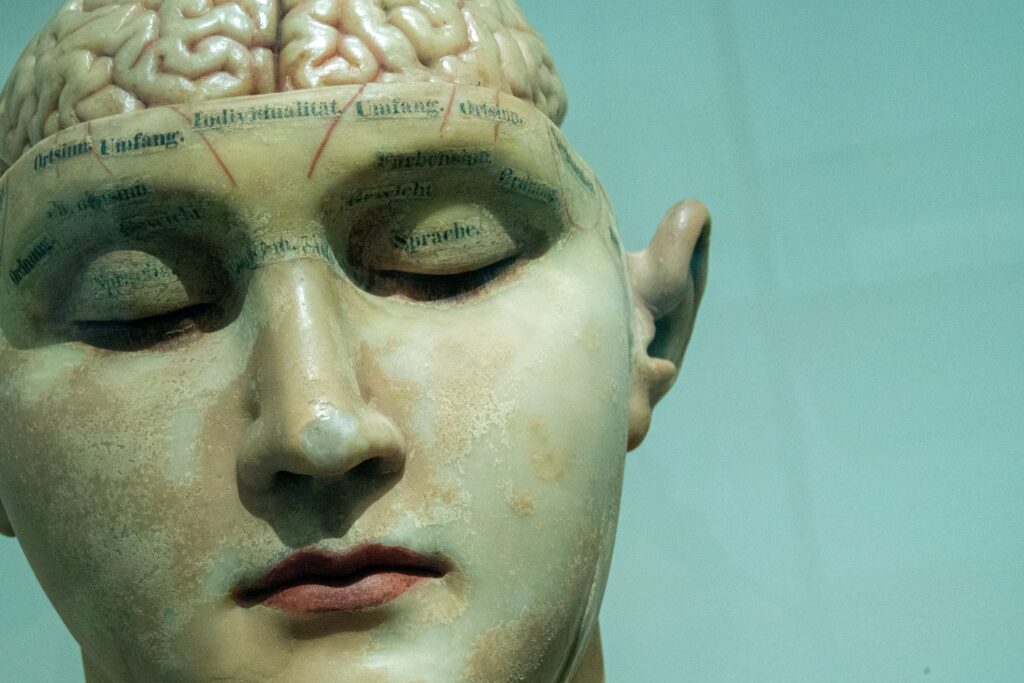
Eating disorders don’t just affect your body. They change your brain.
Understanding what’s happening neurologically can bring compassion, reduce shame, and explain why recovery takes time – and consistent nourishment.
1. Your Brain Runs on Food
Your brain uses about 20% of your body’s energy. When you’re restricting food, purging, or not getting enough nutrition, the brain doesn’t have the fuel it needs to function properly.
When the brain is under-fueled:
- Concentration drops
- Decision-making becomes harder
- Memory and focus suffer
- Mood becomes unstable
- Anxiety and depression increase
This isn’t weakness or lack of willpower.
This is a starved brain trying to survive.
2. Starvation Strengthens the Eating Disorder Self
When the brain is malnourished, survival instincts take over. The brain becomes more rigid, obsessive, and fear-based.
You may notice:
- Constant thoughts about food, weight, or body
- Black-and-white thinking (“I already messed up, so it doesn’t matter”)
- Increased perfectionism
- Strong fear of weight gain
- Difficulty seeing the bigger picture
This is why insight alone isn’t enough.
Nutrition is the first step in quieting the eating disorder self.
3. Anxiety and Fear Circuits Become Overactive
Malnutrition affects the brain’s fear center (the amygdala) and emotional regulation system.
As a result:
- Eating feels dangerous instead of safe
- Fullness may trigger panic
- Body changes feel threatening
- Social situations involving food feel overwhelming
The brain begins to associate food and weight restoration with danger – even though nourishment is what it actually needs to heal.
This is why recovery often feels scary before it feels better.
4. Your Brain Becomes More Rigid
Eating disorders thrive on routine, rules, and control. Malnutrition reinforces this rigidity.
You may experience:
- Difficulty being flexible with food
- Strong attachment to rituals or “safe” meals
- Distress when plans change
- All-or-nothing thinking
As the brain becomes nourished again, flexibility and perspective return.
5. Mood Changes Are Neurological – Not Personal
Low nutrition affects neurotransmitters like serotonin and dopamine, which regulate mood and motivation.
This can lead to:
- Irritability
- Emotional numbness
- Depression
- Loss of interest in things you once enjoyed
- Low motivation for recovery
Many clients worry:
“Why don’t I even care about getting better?”
Often, the answer is simple:
Your brain needs fuel before motivation can come back.
6. The Good News: The Brain Heals
One of the most hopeful truths about recovery is this:
The brain is incredibly resilient.
With consistent nourishment and behavior change:
- Obsessive thoughts decrease
- Anxiety lowers
- Mood stabilizes
- Flexibility returns
- Motivation improves
- The eating disorder voice gets quieter
But this healing doesn’t happen overnight.
It happens through:
- Eating consistently (even when it feels hard)
- Reducing eating disorder behaviors
- Repetition and patience
- Support and accountability
Recovery is not just emotional work.
It’s neurological healing.
7. Why Support Matters
When the brain is under-fueled, it’s harder to make recovery decisions alone. That’s why support from a treatment team, therapist, dietitian, and recovery coach can be so important.
Sometimes you need someone to help you:
- Eat when your brain says not to
- Challenge distorted thoughts
- Stay consistent when motivation is low
- Borrow hope until your brain heals enough to hold it on its own
Because recovery isn’t about trying harder.
It’s about helping your brain get healthy enough to choose differently.
Final Thoughts
If you’re struggling, please know:
- You are not broken
- You are not weak
- You are not failing
Your brain is responding to starvation and survival.
And the path forward isn’t shame or more control.
The path forward is nourishment, consistency, and support.
Because when your brain heals, everything else gets easier.
Recovery isn’t just changing your behaviors.
It’s helping your brain come back to life.