When someone is struggling with an eating disorder, it can feel confusing – even frustrating – when behaviors don’t change, motivation is low, or the eating disorder voice feels louder than logic.
Here’s the truth:
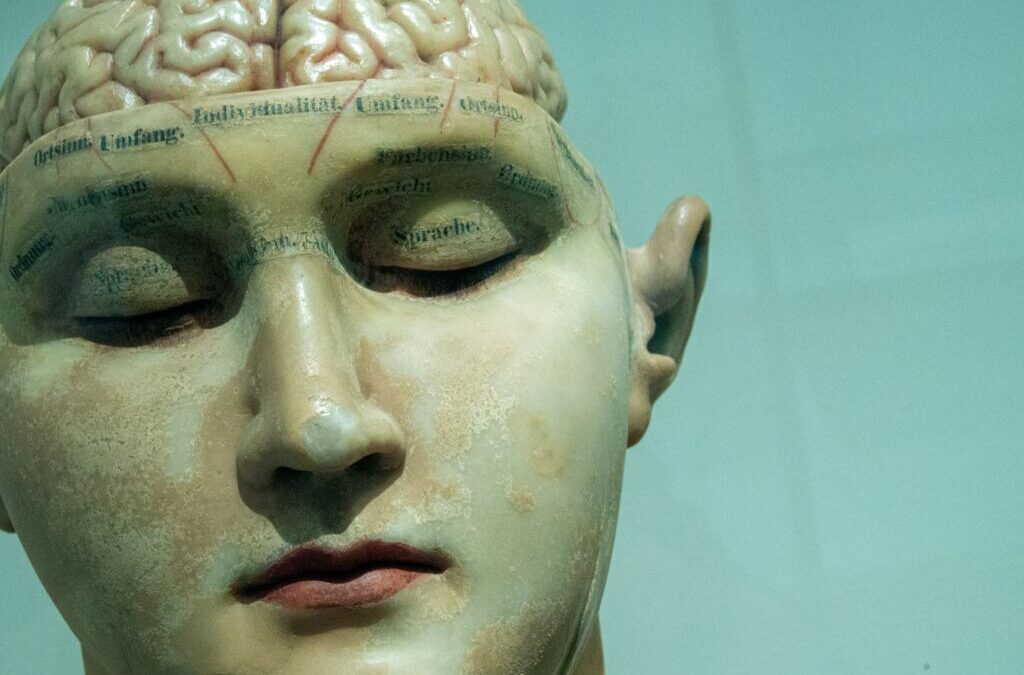
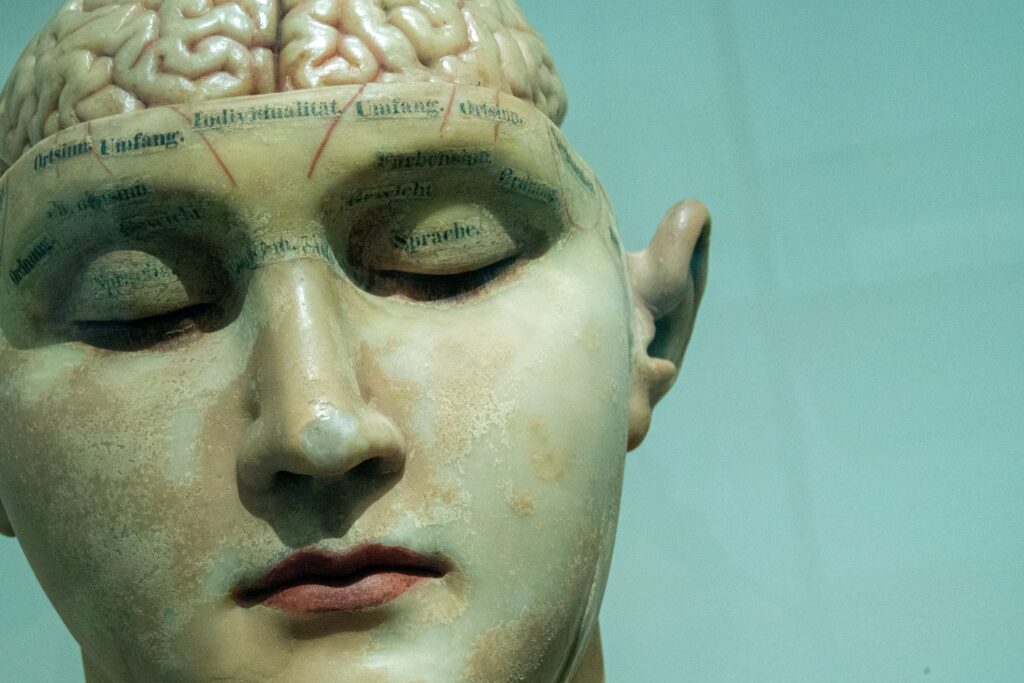
Eating disorders don’t just affect your body. They change your brain.
Understanding what’s happening neurologically can bring compassion, reduce shame, and explain why recovery takes time – and consistent nourishment.
1. Your Brain Runs on Food
Your brain uses about 20% of your body’s energy. When you’re restricting food, purging, or not getting enough nutrition, the brain doesn’t have the fuel it needs to function properly.
When the brain is under-fueled:
Concentration drops
Decision-making becomes harder
Memory and focus suffer
Mood becomes unstable
Anxiety and depression increase
This isn’t weakness or lack of willpower.
This is a starved brain trying to survive.
2. Starvation Strengthens the Eating Disorder Self
When the brain is malnourished, survival instincts take over. The brain becomes more rigid, obsessive, and fear-based.
You may notice:
Constant thoughts about food, weight, or body
Black-and-white thinking (“I already messed up, so it doesn’t matter”)
Increased perfectionism
Strong fear of weight gain
Difficulty seeing the bigger picture
This is why insight alone isn’t enough.
Nutrition is the first step in quieting the eating disorder self.
3. Anxiety and Fear Circuits Become Overactive
Malnutrition affects the brain’s fear center (the amygdala) and emotional regulation system.
As a result:
Eating feels dangerous instead of safe
Fullness may trigger panic
Body changes feel threatening
Social situations involving food feel overwhelming
The brain begins to associate food and weight restoration with danger – even though nourishment is what it actually needs to heal.
This is why recovery often feels scary before it feels better.
4. Your Brain Becomes More Rigid
Eating disorders thrive on routine, rules, and control. Malnutrition reinforces this rigidity.
You may experience:
Difficulty being flexible with food
Strong attachment to rituals or “safe” meals
Distress when plans change
All-or-nothing thinking
As the brain becomes nourished again, flexibility and perspective return.
5. Mood Changes Are Neurological – Not Personal
Low nutrition affects neurotransmitters like serotonin and dopamine, which regulate mood and motivation.
This can lead to:
Irritability
Emotional numbness
Depression
Loss of interest in things you once enjoyed
Low motivation for recovery
Many clients worry: “Why don’t I even care about getting better?”
Often, the answer is simple:
Your brain needs fuel before motivation can come back.
6. The Good News: The Brain Heals
One of the most hopeful truths about recovery is this:
The brain is incredibly resilient.
With consistent nourishment and behavior change:
Obsessive thoughts decrease
Anxiety lowers
Mood stabilizes
Flexibility returns
Motivation improves
The eating disorder voice gets quieter
But this healing doesn’t happen overnight.
It happens through:
Eating consistently (even when it feels hard)
Reducing eating disorder behaviors
Repetition and patience
Support and accountability
Recovery is not just emotional work.
It’s neurological healing.
7. Why Support Matters
When the brain is under-fueled, it’s harder to make recovery decisions alone. That’s why support from a treatment team, therapist, dietitian, and recovery coach can be so important.
Sometimes you need someone to help you:
Eat when your brain says not to
Challenge distorted thoughts
Stay consistent when motivation is low
Borrow hope until your brain heals enough to hold it on its own
Because recovery isn’t about trying harder.
It’s about helping your brain get healthy enough to choose differently.
Final Thoughts
If you’re struggling, please know:
You are not broken
You are not weak
You are not failing
Your brain is responding to starvation and survival.
And the path forward isn’t shame or more control.
The path forward is nourishment, consistency, and support.
Because when your brain heals, everything else gets easier.
Recovery isn’t just changing your behaviors. It’s helping your brain come back to life.
If you’re in eating disorder recovery, you’ve probably noticed something frustrating: You can be deeply committed to healing… and still feel lost when you wake up in the morning.
Recovery is not one giant decision. It’s hundreds of tiny daily choices that slowly teach your nervous system, body, and brain that you are safe.
That’s where daily recovery goals come in.
Not goals to be “good.” Not goals to control your body. But goals to support your healing.
Why Daily Goals Matter in Recovery
Your eating disorder thrives on: • chaos • all-or-nothing thinking • emotional overwhelm • self-punishment
Daily recovery goals do the opposite. They create: • structure • predictability • safety • accountability
When you wake up with clear intentions, you don’t have to negotiate with the ED voice all day. You already know what matters.
What Makes a Good Recovery Goal?
A healing goal is: ✔ behavior-based ✔ realistic ✔ repeatable ✔ rooted in nourishment and safety
A harmful goal is: ✘ weight-focused ✘ number-driven ✘ perfection-based ✘ fueled by fear
Recovery is built on what you do — not what you weigh.
Examples of Powerful Daily Recovery Goals
These are the kinds of goals I give clients:
1. Nourish My Body
“I will eat 3 meals and 2–3 snacks today.” Not because I earned it – but because my body requires it.
2. Interrupt One ED Thought
“I will challenge one eating disorder thought with truth.” Even if I don’t believe the truth yet.
3. Reduce One Compulsion
“I will delay or skip one disordered behavior today.” Progress is built in moments of pause.
4. Practice Body Neutrality
“I will treat my body with respect – even if I don’t like it today.”
5. Get Support
“I will text my coach, journal, or reach out instead of isolating.”
What If I Don’t Hit My Goals?
This is where recovery is different from dieting.
You don’t fail. You learn.
If you miss a goal, ask: • What got in the way? • Was the goal realistic? • What support was missing?
Then adjust – with compassion, not punishment.
Why Tiny Goals Heal Faster Than Big Ones
Your nervous system learns through consistency, not intensity.
Eating one more snack today. Not body-checking for 10 minutes. Telling the truth instead of restricting.
These moments rewire your brain more than dramatic promises ever will.
A Simple Daily Recovery Template
Each morning, write:
Today I will…
Nourish my body by __________
Support my mind by __________
Protect my recovery by __________
That’s it.
Not perfect. Just present.
You Don’t Need Motivation – You Need Structure
Most people wait to “feel ready” to recover. But healing doesn’t start with feelings – it starts with behaviors.
Daily goals give your Healthy Self something to stand on when the ED voice gets loud.
And over time… those tiny steps become a life you actually want to live.
Body checking is one of the most common – and most misunderstood – behaviors in eating disorder recovery.
It can show up as mirror checking, pinching body parts, mentally scanning your body, or comparing how you look from day to day. And when it continues during recovery, many people assume it means they’re “doing recovery wrong.”
That’s not true.
Body checking in recovery isn’t a failure – it’s a learned fear response. And with awareness and practice, it can be unlearned.
Why Body Checking Happens in Eating Disorder Recovery
Body checking isn’t about vanity or self-obsession. It’s about control, reassurance, and safety.
For many people, body checking became a coping strategy during an eating disorder – a way to reduce anxiety, monitor change, or feel a sense of certainty. Even after food behaviors improve, the checking habit often lingers because the nervous system is still learning trust.
Understanding this matters, because you don’t stop body checking by shaming yourself. You stop it by responding differently.
1. Notice Body Checking and Name It
The first step in stopping body checking is awareness.
Most people body check automatically. The moment you notice it, gently name it:
“I’m body checking right now.” “This is a checking urge.”
No judgment. No analysis.
Naming the behavior creates separation between you and the habit. And that separation is what allows change to happen.
2. Disengage From the Behavior
Once you notice body checking, the next step is disengagement — not debating with the eating disorder.
You don’t need to:
reassure yourself
analyze your body
prove anything has changed
Instead, move into the next neutral activity:
brushing your teeth
grabbing your coffee
answering an email
leaving the room
Disengagement teaches your brain that body checking is no longer necessary for safety.
3. Use a Mantra to Reduce the Emotional Charge
Body checking often comes with anxiety or urgency. A mantra helps calm the nervous system and interrupt the loop.
One powerful option:
“I choose not to objectify myself right now.”
Other supportive mantras include:
“My body does not need monitoring.”
“This thought does not require action.”
“I return to myself.”
Mantras aren’t about positivity. They’re about grounding and choice.
4. Shift From Judgment to Awareness of Judgment
A key recovery skill is learning to observe thoughts without believing them.
Instead of: “My stomach looks huge.”
Try: “I’m noticing that I’m judging my stomach.”
Instead of: “I hate how my body looks today.”
Try: “I’m aware that my mind is criticizing my body.”
This shift reduces the power of body image thoughts and builds psychological flexibility – a core part of eating disorder recovery.
How Body Checking Decreases Over Time
Body checking fades as safety increases.
Each time you:
notice the urge
disengage without panic
choose awareness over judgment
you weaken the habit loop.
Progress isn’t about never body checking again. It’s about responding differently when it happens.
A Final Reminder
Your body is not a problem to manage or monitor. It is not something you have to constantly check in order to be okay.
Learning how to cope with body checking in recovery takes time, consistency, and compassion. And every small interruption of the habit is a step toward freedom.
You are not behind. You are learning. And that matters.