(And letting go feels like losing yourself)
If you’ve ever thought…
“I don’t know who I am without this.”
“This is just part of me.”
“If I recover, what will I even have left?”
I want you to know something right away:
You are not alone. And you are not broken for feeling this way.
Because eating disorders don’t just change behaviors.
They shape identity.
How the eating disorder becomes your identity
An eating disorder doesn’t just show up randomly.
It does something for you.
It might make you feel:
- in control
- disciplined
- special
- “good enough”
- safe from emotions
- seen or cared for
Over time, it becomes more than something you do.
It becomes how you define yourself.
Maybe you’re:
- “the disciplined one”
- “the healthy one”
- “the small one”
- “the one who has it together”
- or even “the sick one”
So of course letting it go feels terrifying.
Because it’s not just “giving up behaviors.”
It can feel like losing you.
The part no one talks about: identity grief
Recovery is often painted as this freeing, beautiful thing.
And it is.
But there’s also another side:
Grief.
You might grieve:
- the body you had
- the attention or validation you received
- the sense of purpose
- the structure
- the familiarity
And here’s the truth:
You can miss your eating disorder and still want recovery.
Those two things can exist at the same time.
You are not your eating disorder
This is where we gently start shifting things.
Because even if it feels like your identity…
The eating disorder is something that developed over time, not something you were born as.
It is not who you are.
There is a version of you underneath it.
A version that still exists, even if it feels quiet right now.
Let me ask you this:
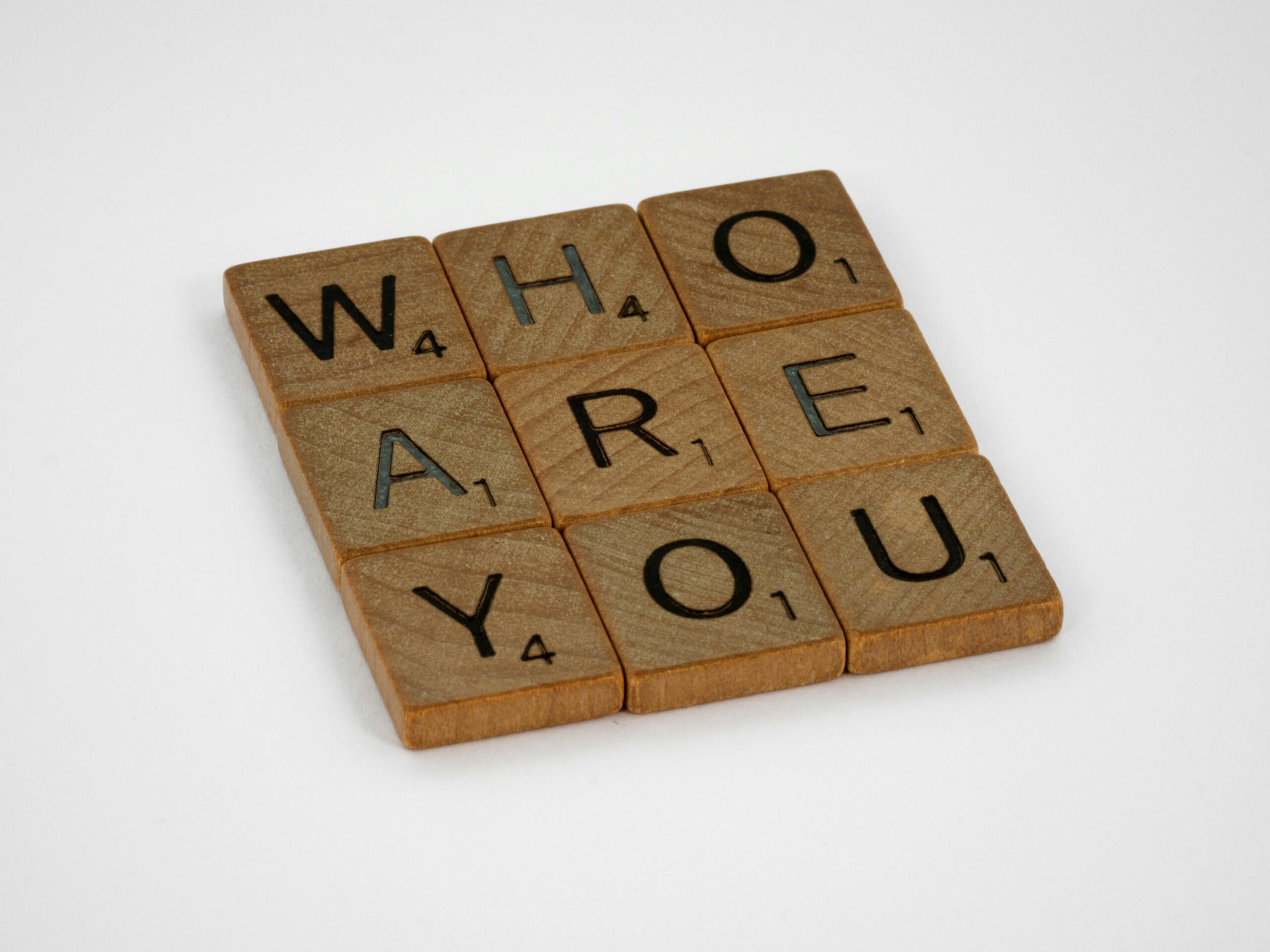
- Who were you before the eating disorder got loud?
- What parts of you has it covered up?
- When do you feel even a tiny bit like yourself?
That person is still there.
We’re not creating a new you.
We’re uncovering you.
If you let go… then what?
This is usually the scariest question.
“If I don’t have this… who am I?”
And here’s the answer most people don’t expect:
You don’t have to know yet.
Recovery is not about having your whole identity figured out.
It’s about discovering it… slowly.
Identity isn’t something you think your way into
This is important.
You don’t find yourself by sitting and trying to figure it out.
You find yourself by how you live.
By the small choices you make every day.
By the moments you choose:
- nourishment
- rest
- connection
- honesty
- joy
- discomfort over the eating disorder
Each time you do that, you’re casting a vote for a different version of you.
Start here: small identity shifts
Instead of asking “Who am I?” try this:
“Who am I practicing becoming today?”
Then take one small action that aligns with that.
Examples:
- “I am someone who nourishes my body” → eat consistently
- “I am someone who values connection” → text a friend
- “I am someone who respects my body” → rest without guilt
- “I am someone who is growing” → challenge one ED thought
You don’t need a full identity.
You just need one small step.
A gentle reminder
Recovery is not about losing yourself.
It’s about losing the thing that convinced you
you had to shrink, control, or suffer to be worthy.
And underneath that…
There is so much more of you.
More depth.
More personality.
More freedom.
More life.
Even if you can’t fully see it yet.
If this resonated
I want you to sit with this question:
“If the eating disorder stepped out of my life for one day…
what parts of me might have more room to breathe?”
You don’t have to answer it perfectly.
Just let yourself be curious.
That’s where this begins.